Navigating Indonesia's Healthcare: An Expat's Essential Guide
Moving to a new country is an exciting adventure, but it also comes with a unique set of challenges, especially when it comes to understanding vital services like healthcare. For expatriates arriving in Indonesia, the archipelago nation offers a vibrant culture and stunning landscapes, but its healthcare system can often be a complex labyrinth. Navigating this system effectively, and critically, securing the right
healthcare insurance, is not merely a convenience—it's an absolute necessity for peace of mind and well-being. This comprehensive guide aims to demystify Indonesia's medical landscape, helping you prepare for a safe and healthy expat journey.
Understanding Indonesia's Healthcare Landscape: A Tale of Two Systems
Indonesia, a vast country spread across over 17,000 islands, has made significant strides towards establishing Universal Health Coverage (UHC) through its national health program, Jaminan Kesehatan Nasional (JKN). This ambitious initiative aims to provide accessible healthcare to all citizens, reflecting a national priority to enhance the nation's medical infrastructure. The government's efforts are visible in the ongoing development of healthcare facilities across central and regional areas, with the strategic goal of encouraging Indonesians to seek medical care locally rather than abroad.
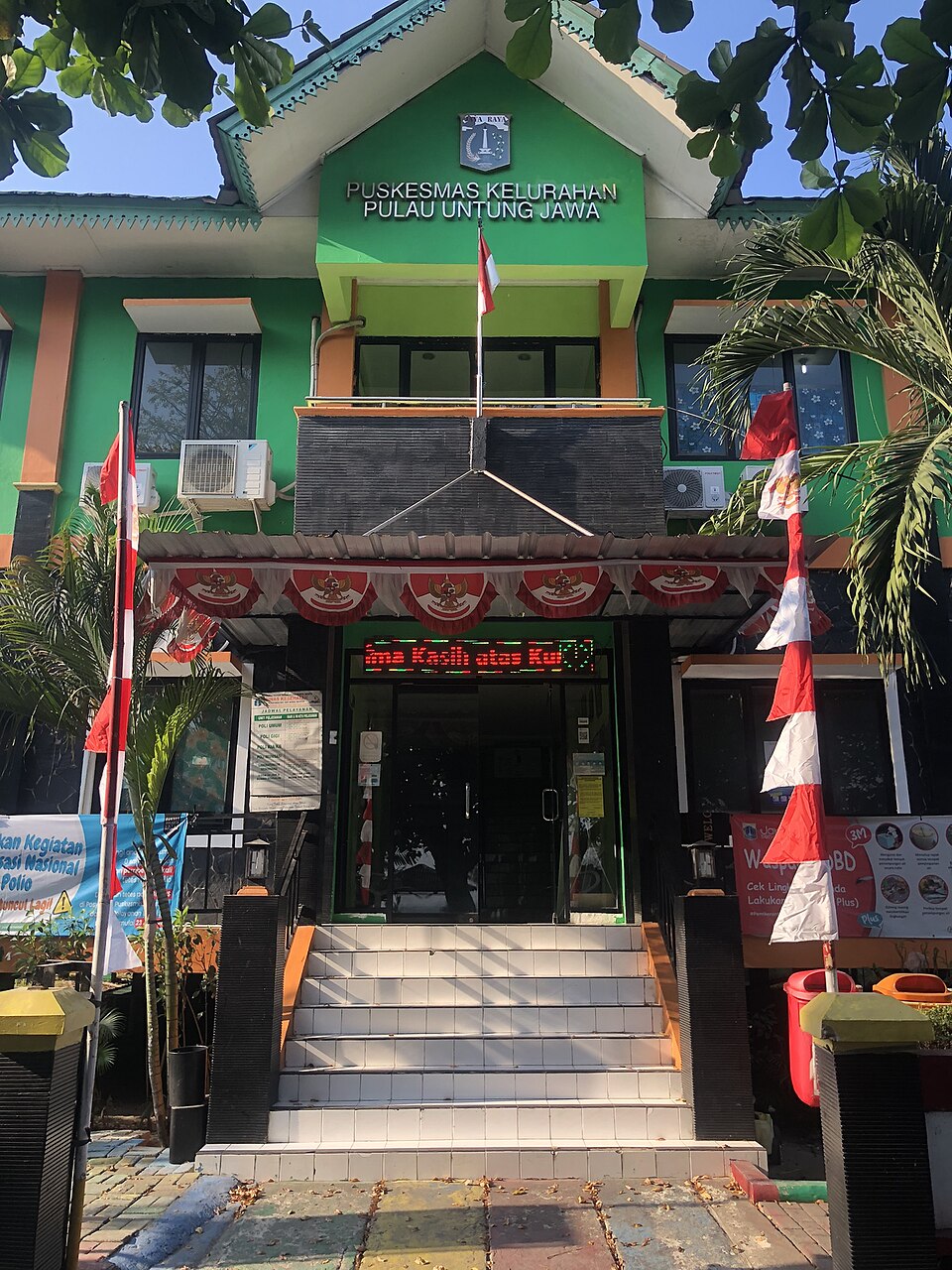
However, the reality for expatriates, and even for many locals, is often quite different from the UHC ideal. The quality and accessibility of healthcare services vary dramatically across the archipelago. While major urban centers like Jakarta and Surabaya boast modern hospitals and specialized clinics, adequate public healthcare facilities become scarce outside these hubs.
Indonesia's Healthcare Divide: Urban vs. Rural Access & Quality is a significant factor, with vast differences in available medical care. Rural and remote areas frequently suffer from a severe shortage of doctors, nurses, and even basic medical equipment, often requiring critical supplies to be imported at high costs. This disparity means that over 60% of the population in some regions still lacks access to primary healthcare facilities.
For expats, understanding this dual reality is crucial. While the JKN is a commendable national program, foreign nationals are generally not eligible for this scheme. This immediately places expats into a different category, often requiring them to rely on private facilities and, consequently, private health coverage.
Public vs. Private Healthcare: What Expats Need to Know
When considering medical care in Indonesia, expats will primarily encounter two distinct systems: public and private.
Public Healthcare Facilities
While the JKN aims to uplift the public sector, public hospitals, especially outside Jakarta, often present significant challenges for expatriates. These include:
- Language Barrier: Most physicians and staff in public hospitals primarily speak Bahasa Indonesia, making effective communication difficult without a translator.
- Long Waiting Periods: Due to high demand and limited resources, patients may face extended waits for consultations, diagnostics, and treatments.
- Upfront Payment: As foreigners are typically not qualified for the national health insurance program, public hospitals will usually demand upfront payment for services rendered.
- Varying Quality: The standard of care and available equipment in public facilities can be inconsistent, often falling short of international expectations.
Private Healthcare Facilities
For most expats, private hospitals and clinics will be the primary choice for medical care. These institutions offer a stark contrast to their public counterparts:
- Higher Quality of Care: Private hospitals in major cities are generally well-equipped with modern technology and offer a higher standard of medical care.
- English-Speaking Staff: Many private hospitals cater to international patients and employ English-speaking doctors and nurses, facilitating easier communication.
- Specialized Services: Access to specialist doctors and a broader range of diagnostic and treatment options is more common in private facilities.
- Higher Costs: The enhanced quality and convenience come at a significantly higher price. Without adequate healthcare insurance, medical bills can quickly become substantial.
The increasing demand in the healthcare sector, fueled by a growing middle class and the push for universal healthcare, has driven improvements, particularly in private facilities. However, this also means that the costs associated with private care continue to rise.
Healthcare Insurance: Your Non-Negotiable Shield in Indonesia
Given the complexities and costs associated with private healthcare, and the ineligibility for JKN, securing comprehensive
healthcare insurance is arguably the single most important step an expat can take to protect their health and finances in Indonesia. This isn't just about covering minor ailments; it's about safeguarding against major medical emergencies, which can incur astronomical costs, particularly if medical evacuation is required. For a deeper dive into the national program, read
Understanding Indonesia's JKN: A Guide for Expats & Global Citizens.
Types of Health Insurance for Expats
Expats typically consider a few options for health coverage:
- International Private Medical Insurance (IPMI): This is generally the gold standard for expats. IPMI plans offer comprehensive coverage, often including:
- Inpatient and outpatient care
- Specialist consultations
- Emergency medical evacuation and repatriation (critical in a country like Indonesia with geographical disparities)
- Coverage extending beyond Indonesia, which is useful for expats who travel frequently or may seek treatment in their home country for specific conditions.
- Direct billing options with a network of international hospitals.
- Local Private Health Insurance: Some local Indonesian insurance providers offer plans tailored for expatriates. These can be more affordable than IPMI but may have lower coverage limits, a more restricted network of hospitals, or may not include crucial benefits like international medical evacuation.
- Travel Insurance: While suitable for short visits, standard travel insurance is insufficient for long-term residency. It usually offers limited emergency medical coverage and does not cover ongoing or non-emergency care.
Key Considerations When Choosing Your Healthcare Insurance Plan
Selecting the right plan requires careful evaluation of several factors:
- Coverage Limits: Understand the maximum payout for inpatient, outpatient, specialist, dental, and optical care. Ensure these limits align with potential private hospital costs in Indonesia.
- Geographical Coverage: Does the plan cover you only in Indonesia, Southeast Asia, or worldwide? For expats, worldwide coverage (excluding your home country, if preferred) is often recommended.
- Emergency Medical Evacuation: This is paramount. Due to the country's vastness and varying medical quality, having coverage for evacuation to a higher-standard facility (e.g., Singapore or your home country) in a critical situation is indispensable.
- Direct Billing vs. Reimbursement: Direct billing streamlines the process, as the insurer pays the hospital directly. Reimbursement requires you to pay upfront and then claim back, which can be a financial strain for large bills.
- Pre-existing Conditions: Be transparent about any pre-existing medical conditions, as these can affect policy acceptance and coverage.
- Network of Providers: Check if your chosen insurer has a strong network of reputable private hospitals and clinics in your preferred expat locations.
- Deductibles and Co-pays: Understand your out-of-pocket expenses before the insurance kicks in or for each service.
Do thorough research, compare multiple providers, and always read the fine print. Don't hesitate to ask potential insurers detailed questions to ensure you fully understand what is and isn't covered.
Navigating Medical Care: Practical Tips for Expats
Even with the best insurance, navigating the healthcare system requires some practical knowledge.
- Identify Key Facilities: Upon arrival, locate the nearest reputable private hospitals and clinics to your residence and workplace. Save their emergency numbers.
- Establish a Local GP: Find a general practitioner or family doctor in a private clinic you trust for routine check-ups and non-emergency issues. Recommendations from fellow expats or your embassy can be helpful.
- Communicate Clearly: Even in English-speaking private facilities, clearly articulate your symptoms and medical history. Consider bringing a local friend or a translation app for complex discussions if you're not fluent in Bahasa.
- Emergency Preparedness: Always carry your healthcare insurance card, a copy of your policy details, and emergency contact information. Know how to contact your insurance provider’s emergency assistance line.
- Medication Management: Bring an adequate supply of any prescription medications, along with the prescription itself. Be aware that not all medications available in your home country may be readily available or of the same quality in Indonesia. Importation may be costly or regulated.
- Preventive Health: Stay up-to-date with vaccinations (including routine and travel-specific ones), practice good hygiene, and be mindful of food and water safety.
Conclusion: Securing Your Health Journey in the Archipelago
Indonesia offers an incredible expat experience, but navigating its healthcare system requires foresight and proactive planning. While the government's efforts to enhance medical infrastructure are commendable, the reality for foreign nationals often means relying on private facilities with significantly higher costs. Therefore, comprehensive
healthcare insurance is not just a recommendation; it is an indispensable tool that provides financial security, access to quality care, and, most importantly, peace of mind. By understanding the system, choosing the right coverage, and being prepared, you can ensure your health remains a priority, allowing you to fully embrace and enjoy your vibrant life in the beautiful Indonesian archipelago.